Progetto Nuovi Stagni SRD04


Project to Create Four Wildlife Watering Ponds in the Municipality of Iseo (SRD04 – Non-productive Agricultural Investments for Environmental Purposes, co-funded by the Lombardy Region)
Project description
The project New Ponds aims to continue pursuing the objectives of protecting and enhancing the biodiversity and ecosystem services of the Reserve, with particular attention to habitats and species of Community interest. To this end, four new wetland areas will be created along the North Path, near the northern boundary of the Lame area. The work will be completed by planting native vegetation. Targeted monitoring will subsequently be carried out to assess the success of the project.
The issue
The Torbiere del Sebino Nature Reserve, like all other wetlands, is one of the most threatened habitats on the planet, as well as in Europe, where 90% of these ecosystems have disappeared over the last 100 years. In addition to the natural process of ecological succession, which culminates in the infilling of wetlands, several factors have both direct and synergistic effects that negatively impact these environments. In particular, human activities, climate change and the invasion of non-native species are among the most pressing and current threats.
Focusing on the Reserve, a drastic decline in small wetlands has been recorded in recent years. However, these habitats are also essential. Small ponds, pools and channels are often preferred breeding sites for populations of various amphibian and aquatic insect species. Furthermore, the presence of these habitats promotes connectivity between different populations, reducing the risk of local extinction due to isolation.
Aims
Among the measures available to improve the conservation of these habitats, active management is undoubtedly one of the most effective. The main objective of this project will be to diversify and increase the availability of microhabitats for amphibians, insects and aquatic birds. The activities specifically designed and planned by the Reserve’s scientific committee will include:
- The removal of non-native shrub vegetation.
- The excavation of four new ponds with gently sloping banks, ensuring a greater diversity of microhabitats, which is essential for enhancing biodiversity.
- The experimental installation of fine-mesh netting around two of the four wetland areas. This measure has the ambitious goal of preventing invasive non-native species from entering, particularly the Red Swamp Crayfish (Procambarus clarkii).
- The planting of native tree, shrub and aquatic plant species, with the aim of increasing habitat complexity and, consequently, the diversity of plant and animal life in the newly created wetlands.
Expected results
This project aims to achieve ambitious yet essential results. The main outcomes of the planned actions will be:
- Combating habitat fragmentation and isolation by enhancing and subsequently restoring the natural conditions of the Reserve’s small wetlands.
- Enhancing plant biodiversity. In addition to benefiting the Reserve’s plant communities, this outcome will also be essential for the conservation of the animal species targeted by the project.
- Improving the conservation of the Reserve’s habitats and, consequently, enhancing the ecosystem services they provide.


First results
Less than a year after the creation of the four wetland areas planned under the project, the first monitoring surveys have yielded encouraging results, confirming the effectiveness of the intervention in promoting habitat restoration and diversification within the Reserve.
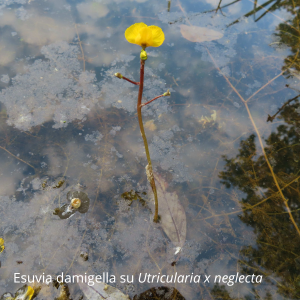
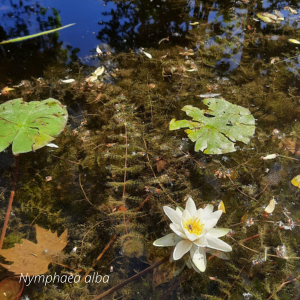
The establishment of the plant community has been rapid and highly successful. Of particular significance is the appearance of water violet (Hottonia palustris) and white water lily (Nymphaea alba), two species of considerable conservation value that have returned to the Reserve’s habitats after several years of absence.
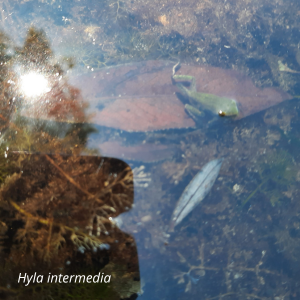
The fauna has also responded positively to the creation of the new habitats. In particular, successful reproduction has been confirmed for three amphibian taxa in the newly created ponds: the Italian tree frog (Hyla intermedia), the European green toad (Bufotes viridis) and green frogs (Pelophylax spp.). The abundant colonisation by aquatic invertebrates is also noteworthy, particularly the presence of several species of dragonflies, damselflies and aquatic beetles.
Alongside these encouraging initial results, a concern has emerged regarding the effectiveness of the fences installed on an experimental basis to prevent the entry of invasive non-native species. The discovery of a few Louisiana red swamp crayfish (Procambarus clarkii) in one of the fenced ponds suggests that this measure is not entirely effective in preventing the target species from gaining access.
Overall, these initial results highlight the value of the intervention in increasing environmental heterogeneity and the availability of suitable habitats for the Reserve’s flora and fauna. However, only continued monitoring will make it possible to assess the long-term effectiveness of the measures implemented and identify any further issues that may arise. This monitoring approach will provide valuable information to guide potential future management interventions.