Messa in sicurezza della linea elettrica di media tensione
Project for Securing the Medium-Voltage Power Line Serving the Torbiere del Sebino Nature Reserve
Project description
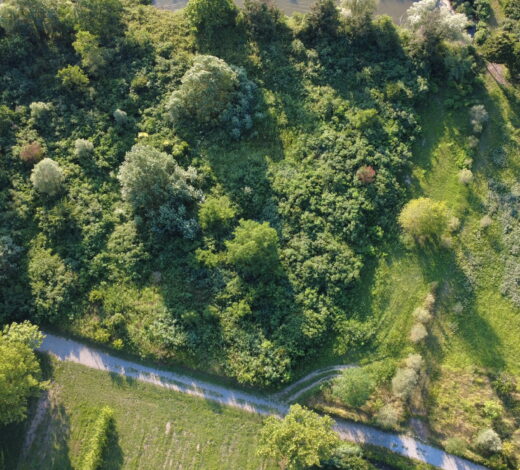
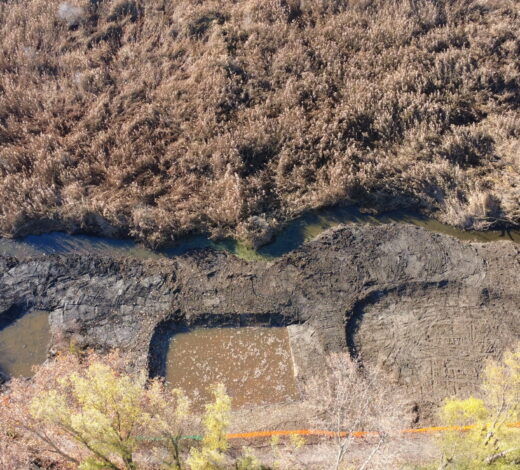
The Torbiere del Sebino Nature Reserve is one of the most important wetlands in the Po Valley and represents a site of fundamental importance for biodiversity conservation. In particular, it hosts an exceptionally rich and diverse bird community, with numerous species using the area throughout the year for breeding, migratory stopovers and wintering.
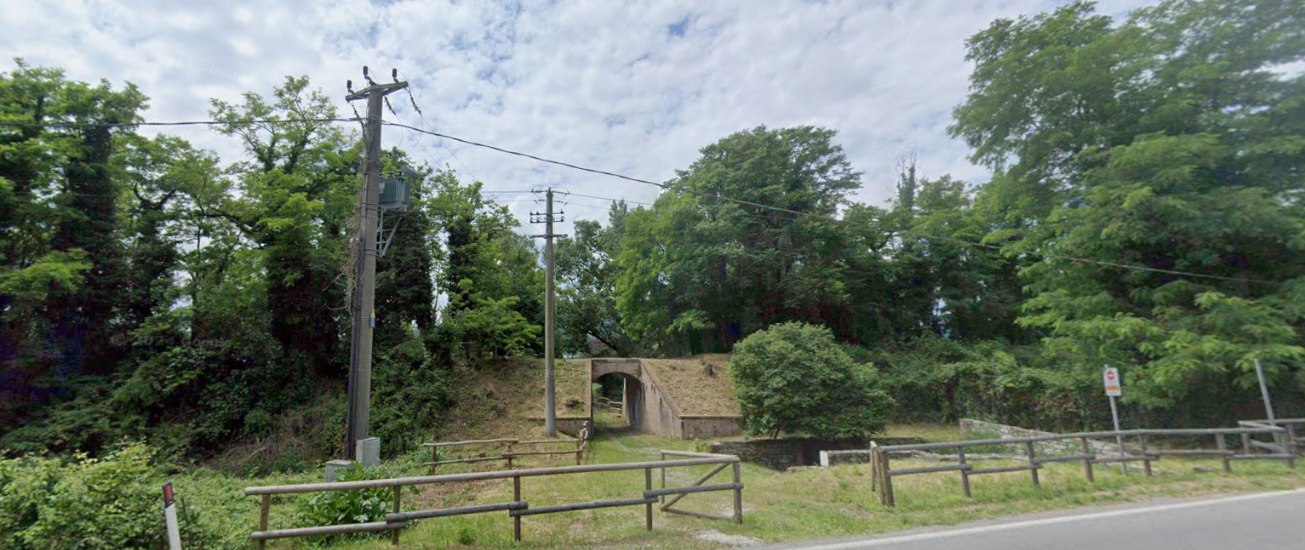
- Insulation of medium-voltage power line sections through the application of insulating covers to live conductors.
- Installation of visual warning devices, such as spiral line markers or coloured spheres, to increase the visibility of the power line.
Issues
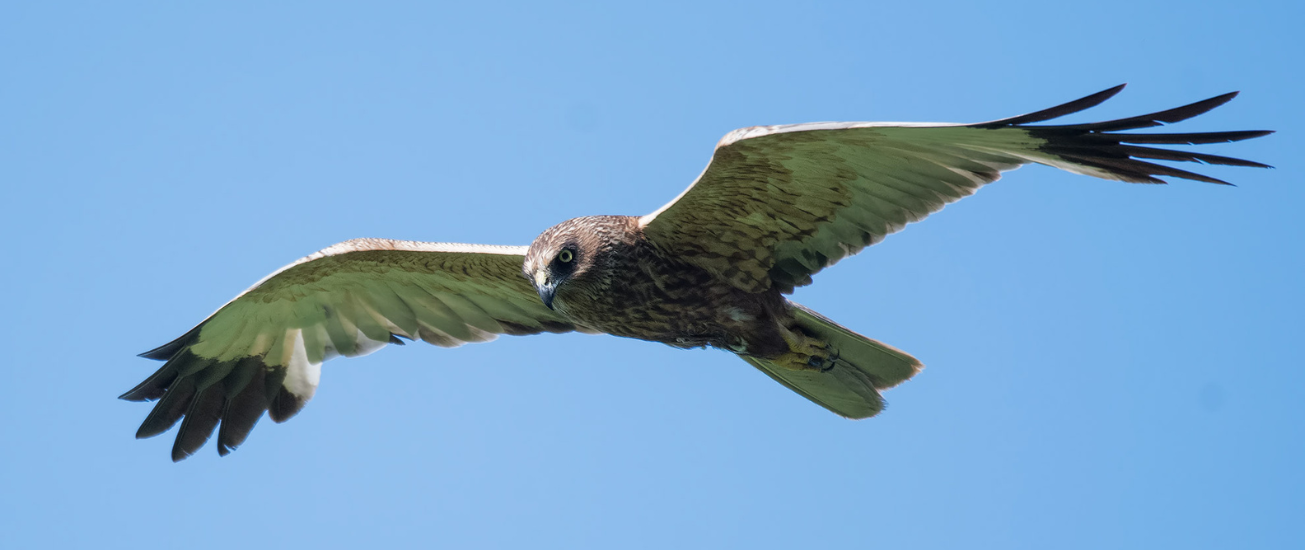
Herons, birds of prey, waterfowl and many other bird species move daily between feeding grounds, resting areas and nesting sites. The presence of different habitats, including reed beds, open water, meadows and woodland areas, supports a range of species of high conservation interest, such as the Western Marsh Harrier, the Black Kite, the Purple Heron, the Pygmy Cormorant, the Black-crowned Night Heron and the Eurasian Bittern.
Reducing the risks associated with the power line therefore represents an important conservation measure, aimed at making existing infrastructure more compatible with the Reserve’s high natural value and its biodiversity conservation objectives.
Objectives
The project also pursues the following objectives:
- Improve the ecological connectivity of the Reserve, facilitating bird movements between feeding grounds, resting areas and nesting sites.
- Protect species of high conservation interest present in the area, particularly birds of prey and herons, such as the Western Marsh Harrier, Black Kite, Purple Heron, Black-crowned Night Heron and Pygmy Cormorant.
- Reduce the impact of one of the anthropogenic pressures affecting the area, by improving the safety of existing infrastructure within the protected area.
- Assess the effectiveness of the measures implemented over time through specific monitoring activities.
This initiative contributes to the conservation objectives of the Nature Reserve and the Natura 2000 site, promoting land management that integrates existing infrastructure with biodiversity protection.

Expected results
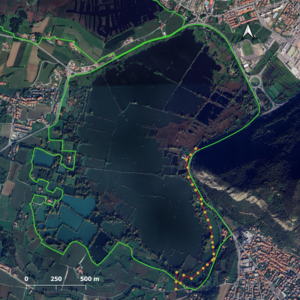
The implementation of the planned measures will enable approximately 1,600 metres of medium-voltage power line to be made safer, reducing the risk of bird collisions and electrocution for species inhabiting the Reserve.
In the long term, the project will contribute to biodiversity conservation within the Reserve, strengthening the role of the Torbiere del Sebino as a strategic area for bird conservation and as an example of how existing infrastructure can be made compatible with the protection of natural heritage.