Progetto Habitat +
Project description
Issues
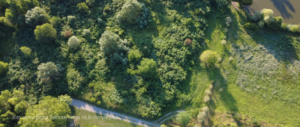
In addition to being a Regional Nature Reserve, the Torbiere del Sebino is also a Natura 2000 site established under the European Union’s Habitats Directive. This places an obligation on the managing authority to implement concrete measures to maintain and improve biodiversity.
Objectives
This project aims to further develop and consolidate the active restoration programme initiated by the Managing Authority over the past four years, directly contributing to the achievement of the objectives set out in the conservation measures approved by Regional Government Resolution (D.G.R.) No. 4008/2025, and improving the conservation status of habitats and species. The planned measures include:
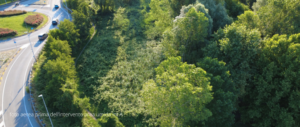
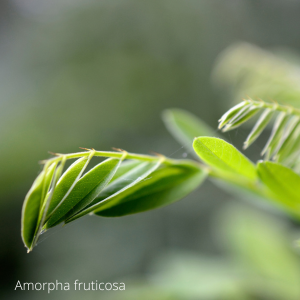
- Removal of invasive and/or non-native shrub vegetation.
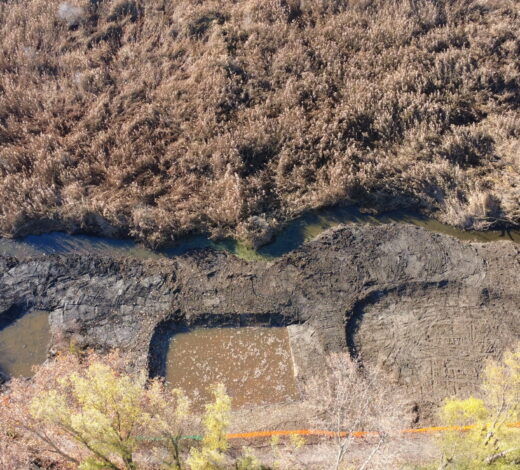
- Creation of two new wetlands covering approximately 700 m².
- Planting of native tree, shrub and aquatic plant species, with the aim of expanding Habitats 3150 and 91E0*.
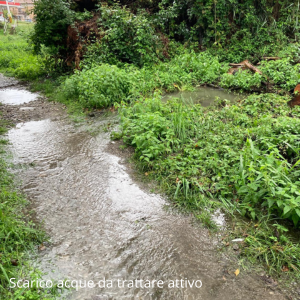
- Excavation of 130 linear metres of buried channel.
- Creation of three ponds for the cultivation of wetland plant species characteristic of Habitat 3150.
- Monitoring activities.
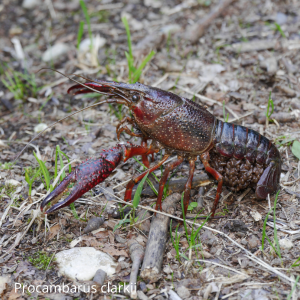
- Control of non-native species.
- Environmental education activities.
Expected results
The project contributes to the achievement of the objectives set out in the Lombardy Region’s Prioritised Action Framework (PAF) through a series of tangible and measurable outcomes, in particular:
- Restoration, conservation and monitoring of Habitats 3150 and 91E0*, including the enhancement of their value for wildlife and the restoration of full ecological functionality.
- Appropriate management of water levels in the cultivation ponds.
- Maintenance of wetlands in favourable conservation condition over the medium term by counteracting the natural tendency towards silting up.
- Increased biodiversity associated with native aquatic vegetation, supported by historical data.
- Reduction of non-native plant species through replanting activities.
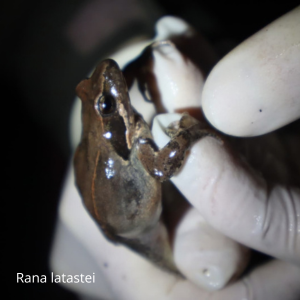
- Increased availability of breeding sites and growth of herpetofauna populations.
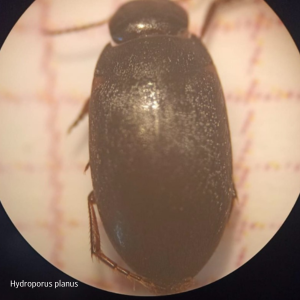
- Increased availability of breeding sites for aquatic beetles and dragonflies and damselflies (Odonata).
- Control of the Procambarus clarkii (red swamp crayfish) population.
- Greater awareness among local communities of their natural surroundings, their ecological value and the threats they face in terms of biodiversity conservation.
- Expansion of forested areas.